FishyTalk

Cholesterol & Seafood

Post by Health on

It is important to keep your cholesterol at a healthy level. Eating foods with too much saturated fat can raise blood cholesterol and have adverse effects on the health of the body. Seafood naturally contains cholesterol, but the amounts and effects may not be as scary as people think. You can enjoy all types of seafood in your diet and still maintain good cholesterol levels.

Effects

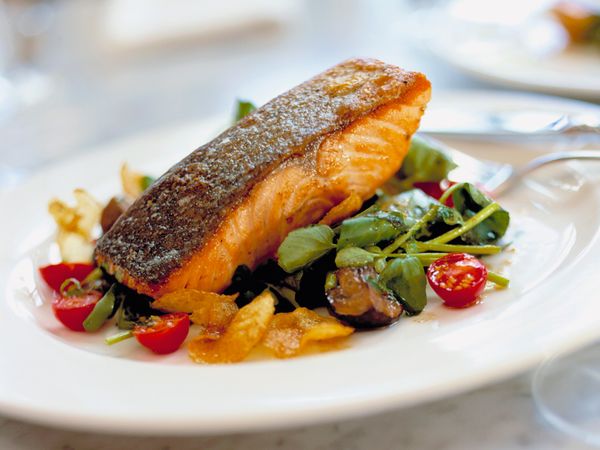
Some types of seafood have positive effects on cholesterol. Fatty fish, such as salmon or mackerel, increases HDL levels in the blood. HDL is known as “good” cholesterol because high levels help lower your risk of coronary artery disease. Other fish, such as sardines and tuna, contain beneficial omega-3 fatty acids and lower triglyceride levels in the blood as well. According to the American Heart Association (AHA), including seafood in your diet may help to prevent cardiovascular disease.

Misconceptions

Shellfish is often avoided by many because of the misconception that it raises bad cholesterol levels. According to a study at the University of Washington, shellfish pose no danger to cholesterol levels. This study found that some of the most commonly eaten shellfish, including oysters, crabs, clams, shrimp and mussels, showed no evidence of raising cholesterol levels. Crab and clams actually lowered the LDL levels (bad cholesterol). Mussels and oysters also lowered LDL, while raising HDLs. Fish and seafood contain a small amount of cholesterol, but are also rich in healthy, unsaturated fat and low in saturated fat, the type of fat that tends to raise blood cholesterol..

Size

Seafood is a part of a healthy balanced diet. The AHA recommends that no more than 300 mg of cholesterol per day is healthy for adults. Most of the commonly eaten seafood selections are well below this parameter. For example, 3 oz. of lobster contains 61 mg of cholesterol; 3 oz. of crab contains 80 mg of cholesterol. There are 166 mg in a serving of 15 shrimp, and 48 mg in a serving of five mussels. Six oysters contain 58 mg of cholesterol, and a serving of four scallops has less than 34 mg.

Considerations and Warnings

You can increase the amount of cholesterol in your seafood by how you choose to prepare it. Deep frying, and using butter and sauces will increase the cholesterol content of seafood or any other food. Try broiling, grilling or baking when preparing seafood and cook with very little oil.

The key to maintaining healthy cholesterol levels in any food is moderation. If you eat an excessive amount of seafood containing cholesterol, your cholesterol intake from other foods should be modified so that you don’t exceed the recommended 300 mg per day.
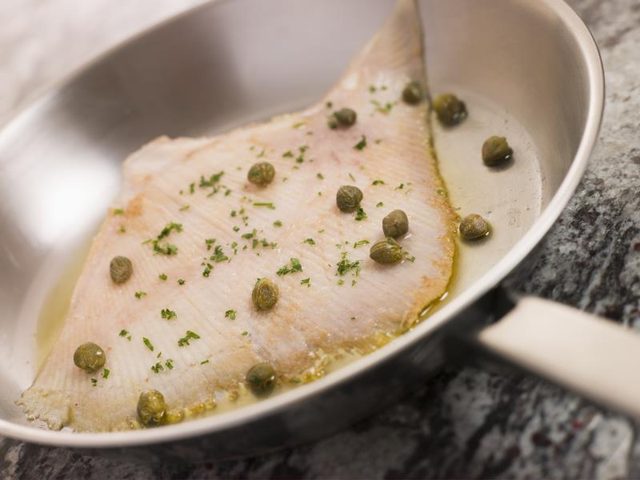
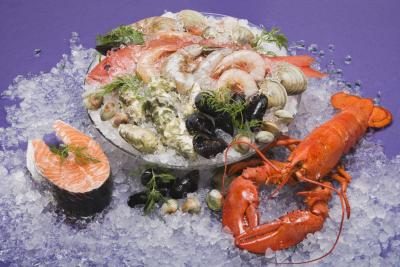
Courtesy: Niya Mclver/www.livestrong.com/ Photo Credit:  IvanMikhaylov/iStock/Getty Images

How to Reheat Seafood Safely

Post by Health on

Seafood makes for a delicious and healthy meal, and cooking enough for leftovers ensures you can enjoy your dish without having to make it from scratch. Eat leftovers within four days of when the meal was prepared to prevent food poisoning or other food-borne illnesses. The key when reheating seafood is to prevent it from becoming too dry while ensuring it tastes as good as it did initially.

Oven

Step 1

Preheat your oven to 375 degrees Fahrenheit.

Step 2

Place the leftover seafood in a casserole dish. Grease the dish with butter, olive oil or non-stick cooking spray if you are reheating fish or something that typically sticks to the pan when cooking.

Step 3

Cook the seafood for 12 to 15 minutes, turning it once halfway through the cooking process. Cooking times may vary depending on the amount and thickness of your seafood; thicker or stuffed fish may take up to 20 or 25 minutes, whereas something thin like calamari strips may finish reheating in 10 minutes. Keep an eye on your leftovers to avoid overcooking them.

Step 4

Remove your leftover seafood from the oven when it is hot all the way through. The USDA recommends reheating leftovers to an internal temperature of 165 degrees. Serve immediately.

Stovetop

Step 1

Place 1 tablespoon of butter or olive oil into a skillet and warm on the stove over medium heat.

Step 2

Put your leftover seafood into the skillet and sauté for three to five minutes on each side. Thinner or smaller amounts of food will take less time to cook than thicker foods.

Step 3

Watch the leftovers cooking in the pan to avoid burning your meal. Turn the seafood over halfway through cooking.

Step 4

Remove the seafood from the pan when it is browned on both sides and hot all the way through. Serve while hot.

Seafood Diet Plan for One Week

Post by Health on

Regularly eating fish and shellfish provides lean protein and high amounts of omega-3 fatty acids, which reduce your risk of cardiovascular disease and diabetes. A seafood diet uses fish and shellfish for your primary protein sources -- if this is something you're interested in, try it for a week to see if it's right for you. Always consult your doctor before dramatically changing your diet. The Food and Drug Administration urges women who are or may become pregnant, young children and nursing mothers not to eat fish that are high in mercury. These varieties include shark, swordfish, mackerel and tilefish.

Flavorful Seafood Breakfasts

Egg-based breakfasts typically go well with fish and shellfish. For something quick, try scrambled eggs with salmon or crab meat and a couple handfuls of leafy greens. Serve the scramble on whole-grain toast or in a tortilla for a more filling breakfast. An English muffin with a fillet of tilapia or cod and a slice of low-fat cheese is another tasty seafood breakfast, as is an egg casserole with shrimp or scallops. If you have leftovers from a seafood-based dinner or lunch, don't hesitate to reheat them, add a slice of toast or a piece of fruit and call it breakfast.

Fishy Lunch Options

Salads and sandwiches are healthful lunches that work great with seafood. For example, have an arugula salad loaded with vegetables and toss it with scallops, steamed prawns or oysters. Alternately, make a creamy seafood salad with beans, corn and plain yogurt to use as a sandwich filling. Fish fillets of any variety paired with a few fresh vegetables make tasty fillings for sandwiches, wraps and pitas. Another lunch to try is steamed fish over rice or another whole grain and seasoned with lemon or lime juice.

Simple Seafood Dinners

Pastas, soups and stir-fries are excellent seafood-based dinners, and most don't require a lot of time to prepare. Try pasta in low-fat Alfredo sauce tossed with cod, founder, scallops or sole. You can also make a big batch of clam chowder or jambalaya soup as dinner for the next several days. A stir-fry with almost any kind of seafood and fresh vegetables served over cooked whole grains is another easy choice. Have a banana or a handful of berries for dessert to help make your meals balanced.

On-the-Go Seafood Snacks

Seafood snacks aren't as uncommon as you might think. For example, fish jerky is tasty, portable and available in a wide range of flavors and varieties. Canned seafood like oysters, tuna, sardines and herring make nutritious snacks as well. If you're preparing snacks for a crowd, try shrimp cocktail, muscles or oysters.

Sample Seafood Menu

You don't need seafood in every meal of the day, every day of the week. To minimize your mercury intake, focus on low-mercury seafood that like salmon, shrimp, canned light tuna, pollock and catfish. A sample day on the seafood diet could start with a spinach and Swiss cheese omelet and a banana for breakfast, and then a snack of salmon jerky. For lunch, you could have a chickpea salad tossed with tomatoes and mangoes, and then for dinner a bowl of clam chowder with a slice of toast and fruit salad for dessert.

Courtesy: http://www.livestrong.com/Serena Styles Photo Credit: Comstock Images/Stockbyte/Getty Images

Top 10 Healthy Fish to Eat

Post by Health on

Fish can provide an excellent low-calorie protein source without the fat and cholesterol of red meats. However, some varieties such as shark and mackerel are very high in mercury. Mercury is a known carcinogen and a pollutant of the habitats for many fish, including farmed fish, according to the Washington State Department of Health. The USDA recommends eating at least eight ounces of healthy, low-mercury fish per week. Limit your consumption of high-mercury fish to no more than 12 ounces a week.

Crab

This family of fish falls into the shellfish group and includes king, blue and snow crab. Crab is an excellent source of many nutrients including protein, vitamin B12, and vitamin C, and it has only 82 calories per three-ounce serving. Crab is readily available at grocery stores and seafood marts, but avoid the canned or artificial versions. These can have excess sodium, which is hard on the kidneys and heart.

Catfish

When enjoying catfish, choose the American kind -- raised, procured and sold as an American product. Imported catfish may contain high levels of cancer-causing toxins. Broiled or grilled catfish is high in omega-3 fatty acids, which are important for heart and brain health, and selenium, which is important for cell metabolism.

Scallops

Scallops are a small mussel and safe to eat two to three times weekly. Low in toxins and high in protein, these mussels are delicious alone or on a salad. Scallops come in a variety of sizes, including the large Atlantic version and tiny bay scallops.

Salmon

Salmon is a heart-healthy food that is rich in omega-3 acids. The larger and older the fish, the more mercury it might contain. Therefore, limit farm-raised or Atlantic salmon to one serving every two months, but enjoy canned Pacific salmon two times a week, according to the Association of Reproductive Health Professionals.

Trout

Perhaps a neighbor just returned from a weekend fishing trip and has some trout to spare. Freshwater trout is best and can be enjoyed biweekly, according to the Washington State Department of Health. This fish is rich in omega-3 fats, which are good for the heart.

Tuna

Canned tuna is a popular pantry staple for good reason. It is a quick, cheap source of low-fat protein and is rich in vitamins B12 and D, calcium and iron. However, albacore tuna contains almost three times as much mercury as skipjack tuna, according to the Environmental Defense Fund. Therefore, pregnant women and young children should focus on consuming primarily skipjack, or light varieties of tuna. Furthermore, canned tuna can be high in sodium, so look for low-sodium versions if you're watching your salt intake.

Oysters

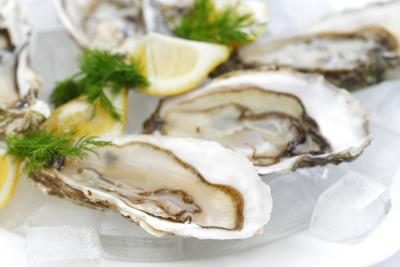
Raw or steamed, oysters are a rich source of protein and omega-3 fats. The Washington State Department of Health states that oysters are low in mercury and can be enjoyed two to three times weekly. Those with health conditions, however, such as immunodeficiency disorders like AIDS or cancer, should avoid oyster consumption due to their potential bacteria containment.

Crayfish

About 3 inches in length, crayfish are similar to tiny lobsters that turn bright red when cooked and contain juicy white meat. Sometimes referred to as crawdads, crayfish are a healthy fish to eat, but only the American kind that is farmed mostly in Louisiana and the Mississippi.

Shrimp

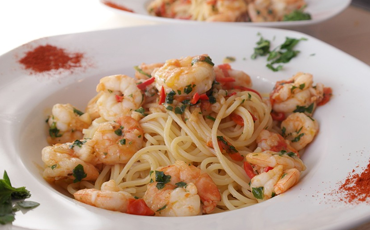
Rich in iodine, shrimp is a low-fat, low-calorie shellfish that can be enjoyed weekly, according to the Association of Reproductive Health Professionals. Shrimp can be boiled, grilled, sauteed or added to a salad while still retaining the same delicious taste.

Sardines

The smaller the fish, the less mercury it contains. Older, larger fish eat the small fish and therefore absorb their mercury and toxins. Sardines, such as herring, are small fish that are low in mercury and high in essential omega-3 fatty acids, calcium, vitamin D and several B-vitamins. They are sometimes enjoyed plain on crackers or out of a can. Because many canned versions are high in sodium, consume them in moderation or look for low-sodium canned versions if you are controlling your sodium intake.


Courtesy: Livestrong.com

Photo Credit: Donhype/iStock/Getty Images

Sustainable Seafood: How do we Balance our Tastes with What’s Right for Ocean

Post by Health on

Sustainable seafood represents a healthy relationship with our oceans that can endure forever. When humans consume seafood, we leave an indelible mark on the ecosystem. It is critically important for our own well-being—and that of the oceans—that we understand the impacts of our choices.

The oceans sustain all life on Earth and are vitally important to our own lives. Although they cover more than 70 percent of our planet, the oceans are not infinitely resilient, and our quest for more and more seafood has brought about disastrous consequences. The health of the oceans impacts many of our primary concerns, including our own health and nutrition, access to food for all economic levels, sustainable economic development, our social structures, and just plain delicious meals. Our seafood choices offer a daily opportunity for each of us to contribute to the oceans' restoration.

Take some time to educate yourself about the right decisions—and make a difference in the health of the planet.—Barton Seaver, chef and seafood expert

What Is Sustainable Seafood?

Not so long ago the ocean’s bounty seemed to have no limit. Now we know better. Efficient fishing fleets and an ever growing hunger for seafood have pushed many of the world’s fisheries to the brink. A shocking 70 percent are exploited, overexploited, or have already suffered a collapse—and the problem is much bigger than a few missed meals. Thriving ocean ecosystems are important for the health of the entire planet.

Sustainable seafood is a way to replenish our oceans and manage their resources into the future. Informed consumers can make all the difference by finding out where their fish comes from and by making responsible choices.

Sustainable fisheries target plentiful species, including those smaller and lower on the food chain, because they can reproduce quickly to sustain their populations. They also mandate environmental safeguards like curbing bycatch and reducing dredging and other destructive fishing practices. Sustainable wild fisheries must be well managed, with accurate population monitoring and regulations that can track seafood from the fishing boat to the dinner table.

Aquaculture is a big part of the picture. Fish farms produce half of all the seafood the world eats—but not all of them are created equal. True sustainable operations minimize environmental impacts like pollution, disease, and other damage to coastal ecosystems on which wild species depend. They also avoid using wild-caught fish as feed, a practice that puts enormous additional stress on wild fish stocks.

Courtesy: http://ocean.nationalgeographic.com/

Photo Credit: Richard Eskite Photography, Workbook Stock/Getty Images

Frozen Seafood: In many ways, It’s better than fresh

Post by Lifestyle on

Eating frozen seafood used to seem like a punishment. But with today's technology, the fish you pull from your freezer is delicious, nutritious, more economical, and often better for the environment—and fishermen—than fresh-caught seafood. Why Buy Frozen? • Reduce your environmental impact. Fresh fish has to be shipped by air to reach most consumers; frozen can be freighted by ship, rail, or truck with significantly lower environmental impact. • Keep fishermen safer. Without the urgent pressure to deliver fresh fish immediately, fishermen can have a safer time line in which to bring their catch from sea to table. They also can choose to fish only in the best conditions. • Reduce waste in processing. By freezing fish at sea, fishermen can use economies of scale to consolidate processing, adding value with volume to the total utilization of the fish. • Use only what you need. By pulling from the freezer exactly the amount you need—when you need it—you avoid wasting highly perishable fresh fish. Get the best seafood year-round. Taste and nutrition are locked in when fish is frozen at sea, and you're never restricted to just what's available fresh today. How to Store Frozen Seafood Most of the seafood you buy frozen comes prepackaged in a vacuum-sealed bag. Store it in your freezer for up to five months. Do not refreeze, as you will lose quality. How to Thaw Frozen Seafood Thaw frozen seafood in the refrigerator overnight, placing it in a dish to catch any water that melts off. Avoid thawing at room temperature or in warm water, as it will negatively affect the texture. Courtesy: National Geographic Magazine Photo Credit: Ray Kachatorian, Getty Images

Why it pays to shell out on seafood: It’s filled with nutrients and could cut your risk of a heart attack in half

Post by Fish on

By Alice Smellie for The Mail on Sunday If you include one portion of seafood in your weekly diet, you may halve the chances of suffering a heart attack. Prawns, crabs, squid and octopus are just as packed with vitamins, minerals and fish oils as fish like salmon or cod. They all contain Omega-3 – a key fatty acid known to help with heart health. Although seafood contains cholesterol, it’s actually foods high in saturated fats – the type found in cheese, red meat and fast food – that increase levels of bad cholesterol in the body. So seafood is unlikely to have a major impact on your blood cholesterol levels. The NHS advises against eating raw shellfish and raw seafood during pregnancy. Try to eat fresh seafood, as frozen products may contain more sodium – and we already consume twice as much as the recommended 6g a day. Here, Alice Smellie and nutritional therapist Jackie Lynch of the website well-well-well.co.uk explain what is in our favourite seafood.

Having fish adds Intelligence: Indian Defence Minister suggests fish to opposition leader

Post by Fish on

Watch Defence Minister of India and former Chief Minister of Goa, Mr. Manohar Parrikar questioned by India TV's Editor-in-chief Rajat Sharma in Aap Ki Adalat (https://youtu.be/0vANeT930Bg). Manohar Parrikar graduated from Mumbai IIT. He is known for his simplicity and honesty.

 --- Courtesy India TV


Este es mi título del blog

Post by on

Esta es la versión de Photoshop de Lorem Ipsum. Proin gesta nibh vel velita auctor aliquet. sollicitudin Aenean, lorem quis bibendum auctor.