Post by Health
on
septembre 3, 2025
Food alone cannot make a person healthy, but good eating habits based on variety and moderation can help keep a person healthy and may even improve health. The U.S. Departments of Health and Human Services and Agriculture issued Dietary Guidelines in 2010 which are intended to help people maintain their health.
The guidelines suggest that Americans should increase their seafood consumption and eat seafood twice a week. In addition, the omega-3 fatty acids found in seafood may provide other significant health benefits. In order to maximize the health benefits of seafood, healthy preparation methods, like baking, are recommended.
Major conclusions in the 2010 dietary guidelines describe the steps that can be taken to help all Americans adopt health-promoting nutrition and physical activity including:
- Prevent and/or reduce overweight and obesity through improved eating and physical activity behaviors.
- Choose a variety of protein foods, which include seafood, lean meat and poultry, eggs, beans and peas, soy products, and unsalted nuts and seeds.
- Increase the amount and variety of seafood consumed by choosing seafood in place of some meat and poultry.
- Replace protein foods that are higher in solid fats with choices that are lower in solid fats and calories and/or are sources of oils.
Courtesy:http://www.seafoodhealthfacts.org/
Post by Health
on
septembre 3, 2025
Health Benefits of Squids:
- Squids contain sufficient copper that fulfills the 90% of the body’s requirement. Copper, being a trace mineral, is essential for absorbing, storing and metabolizing iron and stimulating the formation of red blood cells.
- Individuals suffering from rheumatoid arthritis are often found to have low selenium levels in their blood. Since squids have an abundance of this mineral, it helps in relieving symptoms of arthritis and controlling damage caused by free radicals.
- Proteins, found in squids, are extremely beneficial for the healthy functioning of the human body. Consumption of snails is highly recommended in keeping the skin, muscles, hair and nails, in good shape.
- Frequency and duration of migraines are lowered due to the presence of vitamin B2 (riboflavin) in plentiful quantities, in squids. Research indicates that riboflavin supplements are a good remedy for the prevention of migraines.
- Squids contain large amounts of phosphorus, similar to fish and shrimps. This mineral is necessary for stimulating calcium and building the bones and teeth.
- A great source of vitamin B12, squids are known to lower homocystein levels in the body, which can otherwise increase the rate of strokes and heart attacks.
- Squids help in stabilizing sugar levels in the blood due to an increased supply of vitamin B3 to the body.
- Deficiency of zinc can lead to a range of infectious organisms damaging the body. However, squids which are rich in this component strengthen the immune system.
Courtesy: http://www.foodofy.com/
Post by Health
on
septembre 3, 2025
Seafood and fish can be a part of a healthy and well-balanced diet. Seafood is low in saturated fat, rich in B vitamins, and a good source of protein and iron. Seafood and fish may include salmon, whitefish, tuna, herring, trout, mussels, oysters, crab, shrimp, scallops, clams, cod and lobster. When properly cooked, seafood is a good dietary choice. However, eating raw or undercooked seafood may pose potential side effects and health problems.
Courtesy: http://www.livestrong.com/
Post by Lifestyle
on
septembre 3, 2025
If you are looking to improve sexual arousal -- yours or your partners -- try some aphrodisiac seafood. Aphrodisiacs are foods that can increase the potency of the male arousal and increase the cravings of women. These foods vary in origin, type and nutrition value, but each of them has the advantage of increasing sexual desire for each gender. Eating aphrodisiac foods may increase your sexual desire, potency and improve your mood.
Courtesy: http://www.livestrong.com/
Post by Lifestyle
on
septembre 3, 2025
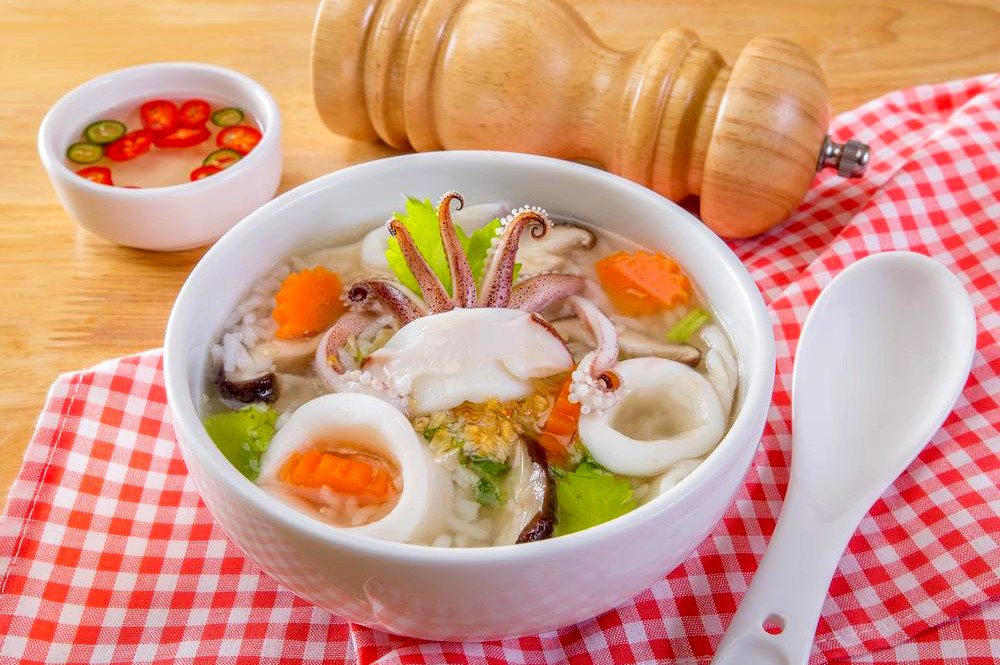
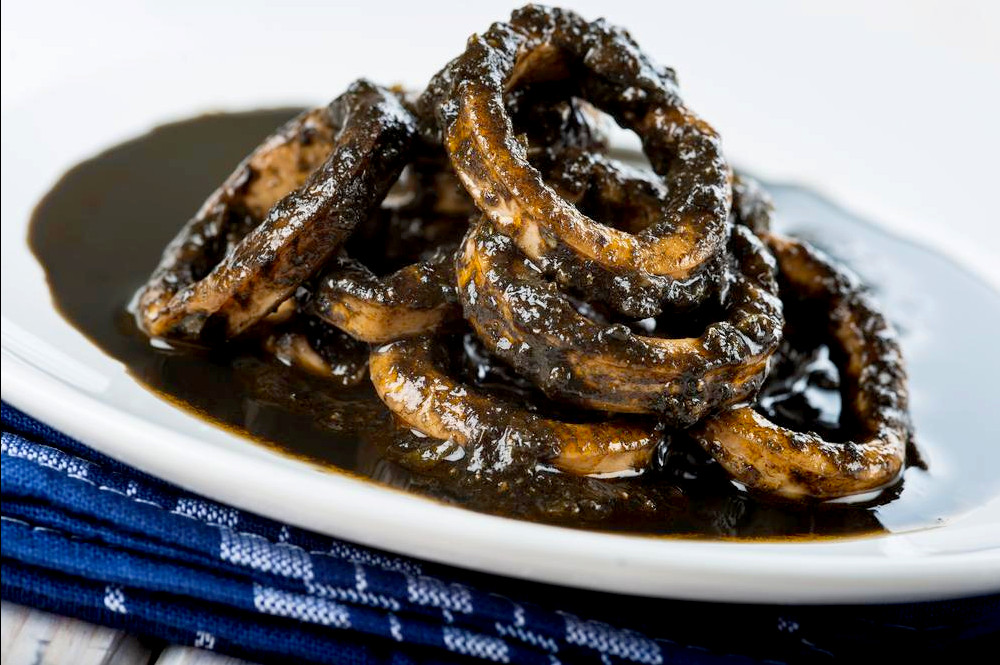
If you tend to think squid belongs in bait shops rather than kitchens, you might reconsider. Calamari, another name for squid, is a good choice for your healthy lifestyle, whether you're interested in losing weight or just making sure you give your body the nutrients it needs.
Plain, uncooked calamari is exceptionally low in calories and fat. Sushi squid, without any additives, has a mere 26 calories per ounce, and less than half a gram of fat. However, if you don't fancy raw calamari, be careful about cooking methods. Calamari is often served fried, which makes it significantly less healthy. A 1 cup serving of breaded, deep-fried squid has 205 calories and 15 percent of the daily value for fat.
Calamari is a good source of protein. An ounce of plain squid offers 4.4 grams of protein, or about 9 percent of the daily value. Protein is well known for its role in building healthy muscles, but is also important to dieters because it helps keep your appetite under control. The body processes protein slowly, helping you stay full, according to the book "The End of Overeating: Taking Control of the Insatiable American Appetite."
Calamari provides essential vitamins and minerals. A mere 1 ounce provides 9 percent of the daily value for calcium, 6.1 percent of the daily value for vitamin B12, 2.8 percent of the daily value for zinc, and 2 percent of the daily value for vitamin C. The Epicurious Food Dictionary also reports squid is a good source of phosphorus.
In recent years, government agencies such as the Environmental Protection Agency have expressed concern over the rising mercury content in fish and seafood. Mercury gets into the oceans as the result of pollution. However, not all fish and seafood are the same when it comes to mercury. The EPA reports that squid is one of the best fish to eat, since it tends to contain very low amounts of mercury.
Courtesy: http://www.livestrong.com/
Post by
on
septembre 2, 2025
Les acides gras réduisent le risque de maladies cardiaques. Sans poisson, vous passez à côté de quelque chose.
Par Christy Brissette, 17 août
Lire l'article complet sur https://www.washingtonpost.com/lifest...
Christy Brissette est diététicienne, présidente de 80TwentyNutrition.com et porte-parole de GOED (Global Organization for EPA and DHA Omega-3s), une association à but non lucratif qui informe le public sur les bienfaits de l'EPA et du DHA pour la santé. Suivez-la sur Twitter @80twentyrule.
Avec l'aimable autorisation du Washington Post
Post by
on
août 26, 2017
Exportations de crevettes : l'Inde devient numéro 1 mondial en 2016
Les exportations de fruits de mer du pays ont atteint un niveau record au cours du dernier exercice fiscal, avec un chiffre d'affaires total de 5,78 milliards de dollars, soit 37 870,90 crores de roupies, grâce à l'exportation de 11 34 948 tonnes de produits de la mer, en grande partie grâce à une forte demande de crevettes et de poissons surgelés.
Par :
Rajesh Ravi | Kochi | Publié le : 24 août 2017 à 3 h 48
L'Inde est le deuxième producteur mondial de poisson après la Chine et représente près de 6 % de la production mondiale.
L'Inde s'est hissée à la première place des exportations mondiales de crevettes en 2016, avec une croissance sans précédent de 14,5 % par rapport à l'année précédente, selon un rapport commercial de Globefish, l'organisme de la FAO chargé de l'information et de l'analyse sur le commerce et les marchés internationaux du poisson. Le rapport indique que l'Inde s'est également distinguée par une croissance de 130 % des exportations de crevettes à valeur ajoutée, passant de 10 100 tonnes en 2015 à 23 400 tonnes en 2016, principalement destinées au marché américain. L'Inde est le deuxième producteur mondial de poisson après la Chine et représente près de 6 % de la production mondiale. Les exportations de produits de la mer du pays ont atteint un niveau record au cours du dernier exercice fiscal, avec un chiffre d'affaires total de 5,78 milliards de dollars, soit 37 870,90 crores de roupies, grâce à l'exportation de 11 34 948 tonnes de produits de la mer, en grande partie grâce à une forte demande de crevettes et de poissons congelés. Selon Globefish, les cinq principaux exportateurs de crevettes vers le marché international en 2016 étaient l'Inde (438 500 tonnes, +14,5 %), le Vietnam (425 000 tonnes, +18-20 %), l'Équateur (372 600 tonnes, +7,8 %), l'Indonésie (220 000 tonnes, +21 %) et la Thaïlande (209 400 tonnes, +22 %). Les principaux marchés d'exportation de l'Inde sont les États-Unis, le Vietnam, l'Union européenne et le Japon. Les exportations indiennes de produits de la mer vers les États-Unis devraient compenser les pertes subies en raison des droits de douane punitifs imposés par le département américain du commerce (USDOC) en 2004, grâce à une production plus importante de crevettes vannamei, moins chères que les crevettes tigrées traditionnelles.
Les exportations de produits de la mer vers l'Union européenne et l'Afrique du Sud ont également fait l'objet d'une surveillance étroite ces derniers temps. La Commission européenne a adopté une motion visant à augmenter de 10 % à 50 % le nombre d'expéditions de produits aquacoles indiens arrêtés pour contrôle aux frontières. En ce qui concerne la demande mondiale de crevettes, le rapport indique que les marchés américain, européen et japonais ont connu une croissance modérée. Une forte demande a été signalée en Chine en raison de la baisse de la production nationale. Les prix internationaux sont restés stables tout au long de l'année 2016. « Des tendances de production mitigées pour les crevettes d'élevage ont été observées dans les pays producteurs asiatiques en 2016, avec une production totale estimée à environ 2,5 millions de tonnes
. Si les maladies sont restées une préoccupation majeure, les conditions météorologiques défavorables ont également eu un impact sur la production, en particulier au cours du premier semestre. Heureusement, l'offre s'est redressée en Inde, en Indonésie, au Vietnam et en Thaïlande au cours du second semestre 2016 », indique le rapport.
Les prix internationaux des crevettes sont restés stables tout au long de l'année 2016. « En termes de prix, ceux des crevettes vannamei ont légèrement augmenté en 2016. Sur le plus grand marché d'importation, les États-Unis, les prix à l'importation ont augmenté de 5,5 % par rapport à 2015. Les prix américains des crevettes indiennes et équatoriennes ont augmenté respectivement de 2,7 % et 7,8 % », indique le rapport. Les importations ont considérablement augmenté d'une année sur l'autre au Vietnam, en Chine, en République de Corée et à Hong Kong.
Avec l'aimable autorisation de http://www.financialexpress.com/economy/
Post by Health
on
juin 27, 2016
Seafood is a natural part of a balanced diet. It contains high levels of several important nutrients ( and thus helps us maintain a good nutritional status, important for our health).
Obesity and other lifestyle-related diseases are increasing in the western world. The World Health Organisation (WHO) has estimated that 80 per cent of cardiac infarctions, 90 per cent of diabetes type 2 and 30 per cent of cancer occurrences could be prevented with better diets, regular physical activity and not smoking. In Europe, more than 70 per cent of the most important risk factors associated with non-communicable diseases are related to our diet. These diseases are closely related to excess weight gain partly due to a high intake of e.g. sugar and energy dense foods , highlighting the importance of a healthy diet.
A varied and healthy diet is a prerequisite for good health. Fish and other seafood are an important part of a balanced diet and contribute to a good nutritional status. The Norwegian health authorities’ general recommendation is to increase the consumption of fish, both for dinner and as spread. This recommendation applies especially to those who currently eat no or very little fish as part of their diet. Children, young people, pregnant women in particular eat little fish. A good nutritional status is especially important for these vulnerable groups. Seafood contains high levels of many important nutrients that are not commonly found in other foods. It is an excellent source of proteins, very long-chain omega-3 fatty acids (EPA and DHA), vitamin D, selenium and iodine. Fatty fish and certain fatty seafood products have the highest level of marine omega-3 fatty acids and vitamin D in our diet.
We know quite a lot about the health effects of isolated nutrients present in fish, but less about the combined effects of nutrients in fish, i.e. how fish as food contribute to promote and maintain good health.. So far the documented beneficial effects of a high intake of fish are mainly related to the content of EPA and DHA, which make the veins more elastic, prevent blood clots, reduce blood pressure, stabilise heart rhythm and generally reduce the risk of a heart attack.
We know quite a lot about the health effects of isolated nutrients present in fish, but less about the combined effects of nutrients in fish, i.e. how fish as food contribute to promote and maintain good health.. So far the documented beneficial effects of a high intake of fish are mainly related to the content of EPA and DHA, which make the veins more elastic, prevent blood clots, reduce blood pressure, stabilise heart rhythm and generally reduce the risk of a heart attack.
Epidemiological studies have shown an association between seafood consumption and a lower prevalence of depression. This indicates that consuming seafood result in lower risk of depression. Consumption of fish and other seafood is also important during pregnancy and foetal development, including foetus growth and neurobiological development.Most studies have involved pure fish oil or capsules containing various fish oils or pure EPA and DHA. By contrast, very few intervention studies have explored the health effects of a regular intake of fish and other seafood. Hence NIFES aims to study the overall health effects of seafood intake in relation to obesity, diabetes type 2 and mental health.
Courtesy: http://www.fisheries.no/